
#SPLINTERNET: Is Africa ready for (likely) future of the internet?
The Executive Chairman of Alphabet (Google parent company) predicted in 2013, via his book The New Digital Age, that in future the internet will be less global. He predicted that the internet would be divided into different continents. This division of the internet into different parts is referred to as the Splinternet. It is a fractured web, where the global internet has been consigned to the dustbin of history in favor of regional or national intranets in the name of cyber sovereignty and security.
At the time such predictions sounded ridiculous for most parts of the world. China has always being known as one part of the world that has its own internet. Now this prediction is slowly becoming a reality based on reports by ZDNet about Russia and internet.
The report this week has suggested that Russia is going to disconnect itself from the global internet,temporarily. This will be done as part of a test during March 2019 before the 1st of April 2019. This is also done to provide feedback to a Russian law was passed last year towards the end of the year. The law mandated that Russia Internet Service Providers could ensure the independent of Russia’s internet in case the government needed to pull out of the global internet. Cyberattacks by enemies may be the main inspiration for such a move.
Russia will be the second BRICS country to consider independence from the global internet. In doing so, it will also be in keeping with the BRICS Cable vision. BRICS Cable was first announced in 2013 by then Brazilian President, Dilma Rousseff. She indicated that the initiative would focus on building BRICS own high-speed Internet free of the U.S. influence.
The plan by Russia to temporarily cut itself from the global internet is an indication that the Splinternet is closer than many thought. Would this happen in the African continent? The circumstances that will lead to Splinternet will be about protecting sovereignty and not leisure. In the book The New Digital Age Eric Schmidt and his co-author Jared Cohen predicts that, governments will feel as if they’re fighting a losing battle against an endlessly replicating and changing internet, and balkanization (Splinternet) will emerge as a popular mechanism to address this challenge.
There are positive and negative views about the Splinternet and both are worthy of consideration. When circumstances force Africa to consider its own internet, this will give rise to African developed tech platforms.
The possibility of a Splinternet should inspire African technology companies to plan for a future without foreign technology platforms. In China, the closed internet has given rise to Chinese technology giants. China would not have created its own technology platforms and products if it had allowed foreign technology companies to dominate their market. Today, China has a version of every tech platform that exists in US and Europe. The same cannot be said about Africa. To change this situation will require African tech leaders to collaborate more and work with one vision to create the technology of the African continent. The current leading African tech eco-systems, Kenyan,Nigerian and South African tech eco-system, would have to find a way of working together to develop a roadmap.
The African Union as well should place Splinternet on top of their agenda and deliberate about how Africa can respond to this possibility. There should be an African Roadmap about technology in Africa that has no foreign technology solutions. This should be done not for pride but for Africa’s sovereignty and security in future to avoid being recolonised.
INSIDE FACEBOOK AT 15
Fifteen years ago this week, in February 2004, Harvard student Mark Zuckerberg and friends created what we know today as Facebook. The social network started as an environment for students to connect online. Today, Facebook is no longer a baby but a giant on the internet with 2.3 billion people who use the service every month. Facebook’s path to 2.3 billion users has been filled with highs and lows. The giant digital platform is no longer an innocent website that it was in 2004. At the age of 15, what is Facebook and what will Facebook look like in the future?
WHAT IS FACEBOOK TODAY?
Over the past 15 years Facebook has evolved and transformed. Today Facebook is many things in one, there’s no one word yet to describe Facebook. It is a giant with a potential to harm if not understood (just ask people affected by fake news on Facebook). It is a media company (although this is denied by Facebook leadership) wrapped in a technology company skin. This is true when one considers the fact that Facebook has been eating the lunch of media companies. Facebook makes most of its money ($55 billion last year) out of advertising revenues that used to be enjoyed by only traditional media companies.
Facebook is also a telecommunications company through WhatsApp (a Facebook subsidiary). In other words, in the South African context, it is similar to Telkom if you consider the fact that a consumer can make calls using a Facebook product (WhatsApp).
The social media giant can also be considered a data company. The data it sources from its users is turned into dollars that makes its leader one of the richest in the world. In 2015, the company became aware that Cambridge Analytica used data bought from Facebook to influence elections in the United States.
Acquisitions by Facebook in the past are also telling us something that this internet giant will become in the future.
FUTURE OF FACEBOOK
In 2014 Facebook bought Oculus, a Virtual Reality headset company. This particular acquisition by Facebook gives us a sense of where the company is headed in the future. In 2017, Facebook launched Facebook Spaces, a virtual reality version of the social network. Future versions of Facebook Spaces will see us living in Facebook virtual reality world.
Before we get there,according to recent reports Facebook may just integrate all its acquisitions into one product. This means Instagram, WhatsApp and Facebook may be one thing. This means that their technical infrastructure will be unified.This also means that three of the world’s largest messaging networks will be one thing, which between them have more than 2.6 billion users. This will allow people to communicate across the platforms for the first time. This development should raise concerns for people who about privacy.
As Facebook celebrates its 15 years of existence and plots its future, it’s important that users and authorities understand the true nature, its makeup and future plans of this internet giant. Understanding Facebook will assist users and authorities to know how to use the tool and protect themselves. On the other hand authorities will be in a better position to develop laws that can protect citizens from any harm that may come from using the tech platform.
Facebook today is a teenager that is beginning to misbehave. Governments of the world and its people will have to be stricter to ensure that Facebook does not grow old to become an irresponsible adult that will damage the fabric of society.
The End of Work (as we know it) at McDonald’s

Image source: McDonalds. Customer trying out self serve kiosk at McDonalds
Since 2018 McDonalds in South Africa has been undergoing a shift from humans to machines serving customers. This is just a beginning of a process that might just lead to a McD with very limited human beings and more machines. Here’s what the McD CEO had to say to shareholders in 2018 to explain this shift:
"Customers at thousands of our restaurants are appreciating a more enjoyable, personalised and seamless experience. We’ll continue introducing these improvements to thousands more restaurants as we scale the Experience of the Future platform, with enhancements such as digital menu boards, self-order kiosks, greater hospitality and a modernised look"
The self-serve kiosks have been tested in hundreds of U.S. McDonalds over the last few years and are already widely in place in Europe and other parts of the world.
Many will argue that this shift means the end of work for some workers at McD and this view is correct. What has not been said enough yet is that this also means more (free) work for consumers. Here’s what’s really happening at corporations that are automating work. The consumer now has to do everything with limited or no service from a human being. The consumer has to be the cashier as well and suffer the consequence when the machine does not deliver.
This is great for the capitalists. It means less costs as there’s less people to pay and less people to protest. The machine just needs maintenance and no salary and it rarely complains about working ridiculous hours. The strange aspect of this shift at McD is that the consumers still pay the same or more even though the customers do the work for free. The automation at establishments such as McDonalds whilst it leads to loss of jobs, it creates an opportunity for businesses that offer personal services to customers.
As businesses are automating, using machines and robots, some customers will demand more human interaction. Automation will be ideal for industries that require less interaction with humans but not so for businesses such as McD. In the long run, businesses that will offer personalised care will thrive and they will be able to charge premium for their services.
What now for displaced workers?
What about workers who will be replaced by the automation process? This is the question that should occupy the minds of policy makers in South Africa. McDonalds is just one restaurant that has begun with the automation process, however, it won’t be the last.
As more businesses in the services sector automate there’s a need for an urgent intervention to save jobs. For McDonald’s employees the impact of the 4th Industrial Revolution will not be felt in the next 10 years but sooner.
The intervention to assist workers who may be displaced by automation ought to start now. At the very least, it may be necessary to reskill such workers for new work. It may also be necessary to create more awareness about people who are already loosing work due to automation and match them to companies that need their skills.
Someone once said the unemployment of young people in South Africa is the ticking time bomb. Now there’s a second ticking time bomb and it’s the displacement of workers by automation.
Lessons from Will.I.am at #WEF2019
Five years ago at the World Economic Forum, Will.I.am predicted that in 2019 people would care a lot about Data and their identity. To express his prediction he coined a word “idatity”. His prediction has proven to be correct. In 2019, during the World Economic Forum week in Switzerland (Davos), Will.I.am has again predicted that in the next five years data and identity will be key. Writing for The Economist magazine Will.I.am, who is besides being a musician is also a tech entrepreneur, has indicated that companies of the future will have more respect for peoples data.
He lambasted current tech companies that are abusing user data and called them Data Monarchs. He wrote that currently, there’s is no data freedom when the options of who to sign up with are limited, the data monarchs rake in billions and all that users get is a “free” account bursting with advertising and lame “sponsored content”. He felt that the current arrangement feels lopsided, benefiting the data monarchs more than it benefits individuals and communities. He predicts that such companies will not survive.
He outlined that companies that will survive and remain relevant are companies that will inform their users about usage of their data. They will also be companies that find better uses for user data and in the process add value for consumers. He pointed out that currently gadgets may count user steps, but they aren’t seeing the big picture: what the user ate, how the user felt. According to Will.I.am new services, built from the point of view of the consumer, will benefit they users by sharing and interconnecting the users own data, rather than selling it on. He believes that when more trust is established, the users personal “agent” or “assistant” should merge relevant things together that are currently just disconnected data points.
He challenged todays data monarchs and the next generation of leaders to put their energies into data and AI that serve humanity first, instead of designing platforms bent on controlling humanity with money as the primary goal.
As African business and government leaders are coming back from the WEF in 2019, it is important that they take points highlighted by Will.I.am into account.
The time is now to implement insights and ideas that were gathered at WEF. Part of this process will have to include creating a body that will protect the data of the African continent. Technology business leaders will have to begin a process of building businesses that respects peoples data.
Apps and technologies by local technology startups would have to find ways of using data to add value to the lives of people and not abuse it. Any tech companies that are abusing data of the African continent should begin a process of correcting this practice.
Consumers on the other hand should take a stand and call for ownership of their own data. This process will be hard but it is necessary.
At 18, Wikipedia has lessons to save the Web

Wikipedia logo
Most top web companies have betrayed the public trust by how they’ve utilised user data. In the process, the creators and founders of these leading web companies have amassed wealth for themselves. Amongst the top 10 web companies there’s one that has proven to be trustworthy and that is, Wikipedia. This web organisation, this week has been in existence for 18 years. It celebrates its 18th year at a time when the Web is less celebrated. In the forest of untrustworthy web organisations it is worth examining the building blocks that brought us one of the trusted and impactful web organisation in the world. A closer look at this organisation may be useful in the process of coming up with ways that will save the web.
SECRET SAUCE BEHIND WIKIPEDIA
Wikipedia’s rise has been driven by a crucial difference in values that separates it from its peers that includes the ten top websites. Volunteerism is at the centre of what enabled Wikipedia to survive for such a long period of time. The activism within the Wikipedia community has been crucial in managing content on the platform. Its editors have the power to delete posts, block editors and protect pages that are in the news or being vandalized. To become an editor one must be nominated and undergo an application process. Even though one is an editor they remain a volunteer. The Wikipedia community spirit aswell as its content management model has been impactful for the web as a whole.
To understand the impact of Wikipedia one has to look at how tech sector and other sectors have used Wikipedia. Stephen Harrison, who is writing a book about Wikipedia community, has identified various sectors that are benefiting from Wikipedia. Siri, Alexa and Google are already pulling their answers when asked questions from Wikipedia. The online encyclopedia has been used widely in the legal sector. According to a paper in the Yale Journal of Law & Technology Wikipedia has been cited in more than 400 judicial opinions. The Education sector has also used it for education purposes. A number of professors are doing away with traditional writing assignment and instead asking students to expand or create a Wikipedia article on the topic. Facebook recently released a feature using Wikipedia’s content to provide users more information about the publication source for articles in their feed.
One other major unique feature about Wikipedia is its founder. Jimmy Wales is one of the few founders if not the only one amongst founders of major Web organisations who is not a billionaire. This financial aspect about the founder of Wikipedia is probably one of the reasons that has enabled Wikipedia to remain innocent when others are guilty of all sorts of misdeeds.
The financial model behind Wikipedia, although it has meant financial struggles at times, has been the secret sauce behind the platform. Less focus on profit has been key for Wikipedia success.
WIKIPEDIA, A MODEL FOR FUTURE OF THE WEB
As the world is grappling with the impact of tech companies in society, Wikipedia, over time has shown that it’s possible for a tech organisation to make impact without harming society. Creators of tech platforms aswell as policy makers should take a hard look at this organisation that is showing how to do tech the right way.
Although Wikipedia has its imperfections around representation of other members of society such as women, Africa and other less represented communities. To fix this is less complicated than fixing the damage caused by other platforms. For the sake of representation, Africa has to take full responsibility of shaping this platform to represent the African continent accurately. This is a noble goal for Wikipedia as it becomes the adult in the Web space. For now, there’s enough reasons to celebrate the existence of this important digital platform
#OneTabletOneChild: Why SA schools need tablets

Kids learning with tablet
The media reports that South Africa is again looking at a massive rollout of tablets for education should be welcomed. The idea of a One Device Per Child was first championed by Nicholas Negroponte from the Massachusetts Institute of Technology (MIT).One of the pilot programmes was conducted in the rural parts of Ethiopia. It was introduced by dropping ruggedized tablets from the air as part of a research study. The targeted audience were illiterate children and at the time the outcome of this process was unclear. How could illiterate kids use digital devices? How would kids who had never used tablets begin a process of using this foreign object? Children there had never previously seen printed materials, road signs, or even packaging that had words on them.
The results were amazing, as the kids had figured out on their own how to use these tools. Some of them learnt how to write. In one media report it was indicated that one boy,exposed to literacy games with animal pictures, opened up a paint program and wrote the word “Lion"
Will they work in South Africa
As South Africa is beginning a process of rolling out digital devices, it is important that it takes lessons from the programme that was undertaken by Negroponte. It is easy to dismiss the idea of handing out tablets to learners as useless or something that will never work. Whilst the reasoning behind objection to this process has merit (considering local inadequate infrastructure context) it is also important to consider potential benefits. One that comes to mind is related to access to quality content.
One of the most ignored realities about South African education system is that it suffers from the poor education legacy of the past.
Some young people who are taught in South Africa are taught by teachers who were themselves victims of poor quality education of the past. Those teachers pass on to their new students what they’ve learnt. A combination of technology and human intervention is required to improve education.
To change the legacy effects of the poor education of the past a new pool of educators would have to be trained and teach young people. Most teachers were not taught during the digital age and, therefore, are less likely to assist learners to adapt. Tablets with the right and quality content can bridge the gap.
The tablet for each learner programme could allow South Africa to break with the past .The tablets offers the country an opportunity to provide quality content. In doing this it will be important to work with current teachers as facilitators and use the technology effectively. Tablets are great for content delivery, however, further support would be required for learners to get value from education. As the world is moving towards the 4th Industrial Revolution, the education system will have to swiftly adapt.
Towards the end of 2018 Elon Musk, the chief executive of Tesla, donated laptops to all the kids at a school in Flint state, US. This move by Musk was commended by many who understood its importance. When Musk was donating these digital devices he understood the education challenge at Flint and he knew that technology could assist.
The education challenge in South Africa is massive. The poor infrastructure in some local schools should not be used as a reason not to invest in technology for education. If anything, tablets and technology can make a big difference and bridge the classroom gap of inherited problems in the past and equip learners to deal with the challenges of the 4th Industrial Revolution.
3 Reasons Why #ZumaTwitter matters

Zuma profile picture on Twitter (14 December 2018).
By now you know that the former President of South Africa, Jacob Zuma, finally joined Twitter on the 14th December 2018. Why now and why his entry into the Twittersphere matters for South African internet. According to Zuma his reason for joining Twitter is that people are talking about him on the platform and it seems he would like to manage his reputation online. The other reason for Zumas entrance into Twitter could be related to the recent judgement in court which indicated that he will be liable for legal costs related to his upcoming court cases. The Twitter entry may be a beginning of a campaign to raise funds online and on other platforms.
That’s the boring part about Zuma joining Twitter. The most interesting part about this development is it’s impact on the South African internet. The following are just some of the 3 reasons why this development matters:
More SA people to join Twitter
More local leaders may join Twitter
Zumas Digital Footprint
1.More SA people to join Twitter
Twitter in South Africa is still a platform of just a few. Jacob Zumas entrance into Twitter could just inspire more South Africans to consider the platform for engagement. Leaders in society have a tendency to influence people to do what they do. People who are still fond of the former South African President may consider the platform just to follow the former President and in the process discover other interesting bits about Twitter.
2.More local leaders may join Twitter
In an ideal world leaders should use Twitter for accountability and maintaining communication lines with society. In South Africa there’s still few leaders who use the platform for communication. Zumas entrance into Twitter may just influence more leaders to also consider Twitter as their chosen platform for communication and engagement.
At the time of writing Zumas followers were 28 000 and with just 2 tweets.
3. Zumas Digital Footprint
Former President Zuma before joining Twitter had no digital footprint. Everything about him online has always been written by third parties and not coming directly from him. According to people who have seen a significant amount of GuptaLeaks emails, there’s no direct communication from former President Zuma from his official email account. For the first time South Africans will get the sense of Zumas thinking on matters directly from him.Thanks to Twitter, future generations will be able to go back in history and read direct views of the former Statesman.
eJobs Platform deserves 2018 Tech Award
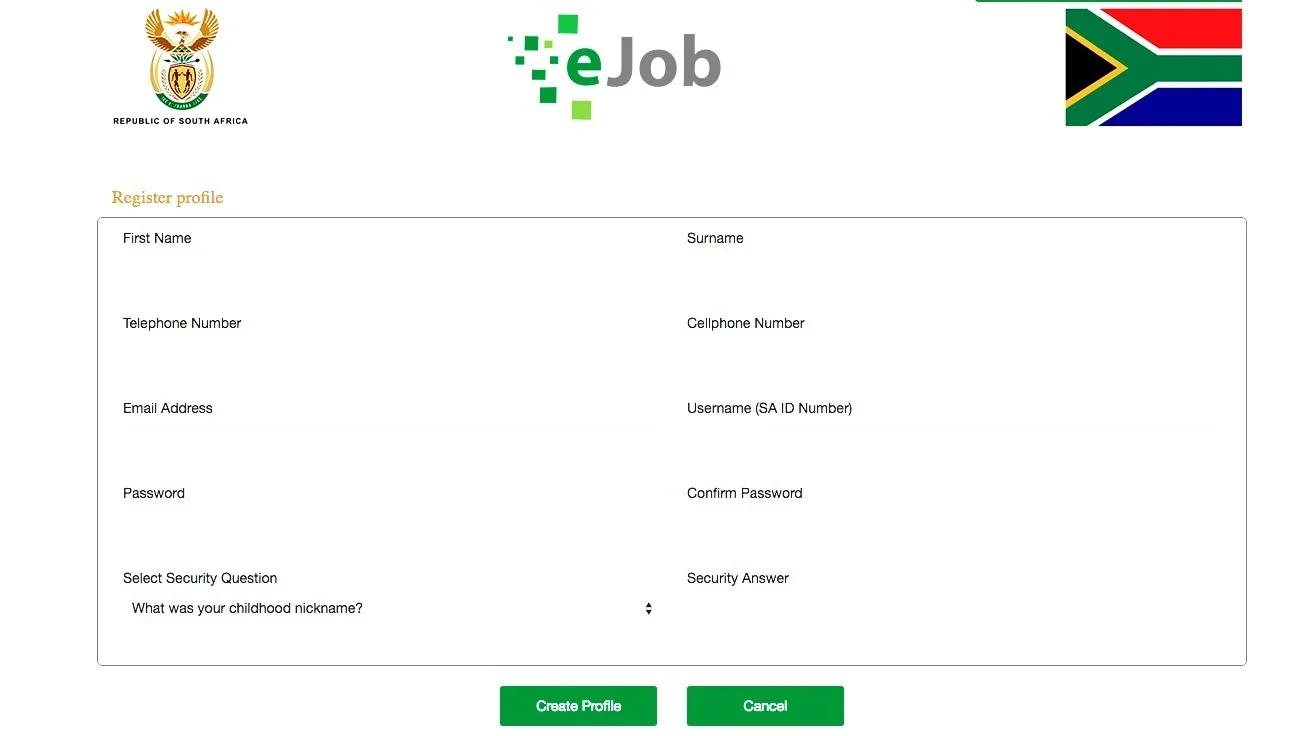
During the 2018 State of the Nation address President Ramaphosa indicated that he wanted to know the state of youth employment and unemployment. He said he wanted to know how many young people are being employed on a regular basis.
The truth however is that it has been difficult for the President to know the finer details of youth employment and unemployment until now. The Minister of Public Service & Administration, Ayanda Dlodlo, this week launched something that may solve such an information challenge in future through the eJobs platform. The eJobs platform is an online environment for government jobs and the new way to apply for government jobs, which serves as the first step towards enabling government to recruit through digital means. For a very long time the only way to apply for a government job has been through a print form known as Z83.
According to The Infonomist column the eJobs platform deserves the 2018 Technology award. In 2017 the Tech Award worthy technology was developed by BridgIoT which was designed to monitor and measure water usage to assist with water saving methods. A technology that was instrumental in assisting Cape Town to deal with the drought crisis.
The technology behind the eJobs platform is not new or out of this world. It is what it does that matters and worthy of an award. It is the problem that it can solve that truly matters and makes it worthy of a Tech Award for 2018.
Unemployment in South Africa is a major challenge, particularly for young people. Solving that challenge, through information, should be an obsession of technologists. The fact that the South African government is doing something about this challenge should be commended and South Africa has Minister Dlodlo to thank for leading in this regard. She is paving a way for a paperless government. The eJobs platform should be seen as just the beginning in this process.
The current functionality of the eJobs platform is not in itself a major technology advancement, it is the potential of this platform that matters. The eJobs platform has the potential to become an extremely important employment data asset for the state. In order for South Africa to deal with the unemployment challenge there’s a need solve the access to employment information challenge. As part of a process to solve the employment challenge it is important to know who has the skill and who needs the skill. The ability to connect the people with the skill and those in need of such skill is the necessary solution that needs to form part of the eJobs platform in future. Whenever people are losing jobs there’s a need to connect them with an organisation that needs their skills and that is another functionality that should form part of the eJobs platform.
At any given time employers including the President should have a clear view of capable people in need of jobs. Real-time information about the state of jobs in South Africa should be the ultimate goal of the eJobs platform.
During his State of the Nation address President Ramaphosa promised to host the Jobs Summit and this was done within the year 2018. At the Jobs Summit corporates promised to enable access to jobs for young people.What is now required is the monitoring of the job promises by corporates at the Jobs Summit. It should be possible for the President to access an app on his tablet that provides information about South Africans in need of jobs and who is employing them. The eJobs platform should include this functionality in future.
The eJobs platform focuses on application of government jobs only. In 2019, there will be a need to work towards creating a system that allows people to apply for jobs across the board, public and private sector jobs. A single view of information about available skills and available jobs can make a difference in enabling reducing unnecessary unemployment.
3D Printing can solve housing challenge
Imagine living in a city where if you wanted a house all you do is to print it. A technology (Vulcan 3D printer), that has been named by TIME magazine as one of the best inventions of 2018, has begun a process of making that dream a reality.
Every year, TIME highlights the Best Inventions that are making the world better and smarter. Some of the notable inventions includes a wheel chair that empowers its users, On demand eyes for the blind and a revolutionary robotic arm.
Vulcan 3-D printer is a groundbreaking machine that erects the basic structure of a home, layer by layer, from concrete—at a fraction of the material and labor costs of traditional methods.
South Africa as a country that has a major housing challenge should pay attention to this solution and consider applying it locally to enable better living and address the informal settlements challenge. The scale of the South African housing challenge is vast. Almost every South African city has informal settlements. The great news is that 2018 technology advancements have proved that it is possible to use the 3D printing technology to solve the housing challenge.
AFFORDABLE HOUSING SOLUTION
This year (2018) in March a non-profit entity, New Story, built a prototype 3D printed house in Texas, United States of America. New Story is planning to build similar houses in the so called developing world countries such as El Salvador. New Story has been involved in the process of building houses in the developing world using traditional methods. Traditionally, the process takes time and it’s costly. Traditional methods used by New Story took eight months to build a community of 100 homes for $6000.
The Vulcan 3-D printer can build one home a day at a cost of $4,000 per structure. The printer once it has been set, squirts out the concrete material in layers to build floors and walls, which harden as it goes. The printer releases the cement as per building specification and plan of the house. The roof however is not printed. The final result of this process is an energy-efficient and resilient structure that is built quickly.
The team that built the printer aims to have the printer available for a low cost–possibly for less than $100,000. It is estimated that a single printer can produce at least 1,000 homes. The only disadvantage with the 3D printer is that it reduces the number of people that can be involved in building the house. In fact, the house built by the 3D printer requires less labour, only 2 to 4 people.
TECH FOR MAJOR CHALLENGES
Considering the economic and social damage that can be caused by shack fires and terrible living conditions experienced by people living in informal settlements, housing is a challenge that is ripe for technology solutions in South Africa. So far, this challenge has been ignored by local tech startup community. At the same time the Silicon Valley leadership has picked homelessness as a major challenge to solve in the Bay area. Jeff Bezos (Founder of Amazon), Marc Benioff (Founder of Salesforce) have spent significant amount of money towards addressing the homelessness challenge in San Francisco. In the South African context there’s a different challenge which relates to living conditions for those who live in informal settlements.
Advancements in the tech sector, particularly robotics and 3D printing should inspire local tech community to consider the informal settlements challenge as an area that can be solved. This is an opportunity for technology to truly make a difference in South Africa.
Whilst local tech startups have developed solutions that make life easier in various sectors very few of these are addressing major challenges. There’s a need for tech to focus on major challenges and housing may be just one area to make a major difference.
African Tech Startup Eco-system in need of Leaders
The state of the African tech eco-system was under spotlight this week at the Africarena event organised by Silicon Cape and LaFrechTech (Frech technology organisation). The keynote speaker, at the 1st day of the event painted a mixed picture of the African tech eco-system. Bright is the co-author of a book about the future of African economy titled, The Next Africa. In his view the Africa tech startup environment is one of the toughest environment for startups.
African Tech Startup Diagnosis
To illustrate the tough conditions for tech startups in Africa, Bright said “its as if African startups start almost 20 metres back from everyone else in the global tech race”.
He mentioned several factors that contribute to the tough conditions of operating in the continent. Among them he mentioned the quality of broadband and fewer venture capitalists.
At the same time he highlighted some major gains by the African tech eco-system. Among them he highlighted the fact that Africa has 442 technology hubs according to GSMA. He also highlighted major investments by big tech companies towards African tech space.
Surprisingly, he also mentioned improved government support for tech startups as one of the major positives for the African tech eco-system.
Bright had some few recommendations for the African tech eco-system. Although African tech startup eco-system is already receiving positive media exposure he suggested that it needs more of it. More importantly he highlighted something that requires serious attention within the tech eco-system and that is, unity. Currently the African tech eco-system operates in silos. Tech entities in one African country do not speak to tech entities in other countries. Tech organisations within countries also hardly speak to each other. To address this challenge Bright suggested African tech leaders need to start talking to each other more.
Leading African Tech Startups
In conclusion, the award winning author Jake Bright called on African tech leaders to lead and take leadership seriously. Currently there’s tech startup leadership vacuum in the African continent. What the continent has are lots and lots of events and hubs and less people who are taking lead in advancing the cause of African tech startups. Some who appear to be leaders are just advancing the cause of their own interests such as universities, incubators, companies or localities.
What the continent needs are leaders to represent the tech startup eco-system in government and other key decision making platforms. Currently organisations such as the Silicon Cape,Simodisa and others weak are at truly leading.
Bright perfectly diagnosed one of the major challenges facing the African tech startup eco-system. South African tech startup tech eco-system is a classic example in this regard.
In Cape Town alone, there’s CITi, LaunchLab, Silicon Cape, Solution Space and others. All of these institutions hardly collaborate on matters that advance the interests of the local tech startup eco-system. At the same time the Cape Town tech startups keeps trying to compete with Gauteng tech startup eco-system and vice versa. This is not good for the African tech startup brand.
What will enable the local tech startup eco-system is serious collaboration for the advancement of local tech startups. When Africa pitches in Europe or America it should do so as a unit if it is to succeed in championing the cause of local tech startups. An African tech leader needs to stand up and lead.
The father of the Web wants to save his creation

Sir. Tim Berners-Lee
A lot has gone wrong with the World Wide Web, its users are now suffering from online abuse, fake news, data breaches and website shutdowns by governments. Its founder (Sir Tim Berners-Lee) is deeply concerned about what the web has become and this week speaking at the Web Summit, in Lisbon (Portugal), announced what can be described as a major step towards saving the web. Sir Berners-Lee announced a contract for the web which asks governments,internet companies and citizens to uphold a set of principles such as protecting privacy and being transparent about their algorithms.
The Contract
Speaking about the contract Sir Berners-Lee said “It’s about going back to values”. When the web was created it was not expected that it would be used as tool to pursue negative objectives. As a result, no principles were setup to oversee the behaviour of those who are using and shaping it. The contract initiated by Berners-Lee at the Web Foundation is an attempt to close that gap. The contract calls on governments to ensure that everyone is connected to the internet. It calls on companies to make the internet affordable and accessible to everyone. To ensure that no one is excluded from using and shaping the web and more importantly to respect consumers privacy and personal data.
The citizens of the world and users of the web are also called upon to build strong communities that respect civil discourse and human dignity. In response to current challenges with the web, citizens are called upon to fight for the web so that it remains open for the benefits of society now and in the future.
The contract launched by Sir. Tim Berners-Lee is just the beginning of a process that will carry on until May 2019. So far, leading tech companies such as Google and Facebook have supported the contract. France became the first country to support the contract. Other global social organisations are supportive of the contract. These include organisations such as Access Now, Mo Ibrahim Foundation and Open Rights Group.
The process of developing the contract will be on-going in consultation with other key stakeholders.
Africa remains one of the areas where negative effects of the bad web are felt. It is in Africa where governments are notorious for blocking some websites. It’s African citizens that are less protected whenever there are data breaches on the web. Europe has introduced GDPR which safeguards users of the web from its harmful effects unleashed by tech giants. It is the American government that has called upon technology giants to account for wrong doing and violations conducted on the web. African governments have been silent on these matters whilst African citizens are also affected.
Saving the African Web
South African government can lead the way in shaping a better future of the web in the continent. The country can be the first signatory of the Contract for the Web in the continent. South African web companies can also contribute by adhering to standards that will ensure that users of the web are not harmed in the process of using their websites. Users of the web in the African continent can also contribute by how they behave online. Abusive behaviour online can only be stopped by individuals who use the web. It took one man in 1989 to create the web during his spare time. Individual efforts matter in shaping the better future of the web. The African continent has an opportunity to embed its value systems in what can become a better African and global web.
Tech Lesson from the ANC

The African National Congress (ANC) recently launched (13 October 2018) a new website under a new domain name (anc1912.org.za). The new website was launched in response to the shut down of the original ANC website under its original domain name. Media reports indicated that the website was shut down due to non-payment and disagreements with the service provider. The ANC is not the first organisation whose website website has been shut down by a service provider, it will not be the last. Other organisations and businesses can learn a lot from this development.
The first lesson relates to the response of the ANC. Another important lesson relates to what the organisation could have done to prevent the shutdown.
THE NEW SITE
The manner in which the ANC responded is impressive and may prove to be more beneficial for the ANC online. The organisation responded by creating another website with a significant domain name that bears they year of its founding, 1912. It’s not easy to get a fitting domain for a brand after losing the original domain name.
The new ANC website is an improvement from its previous website. The user experience is far more better than its original site. The site is also responsive and mobile friendly. In other words, if you view the website using your mobile phone or tablet the site adapts itself to be viewable. The responsiveness of the site is one of the positive aspects of the website.
The new website however is missing critical and historical information of the ANC. The look and feel of the website is important however nothing is more important than the content. The new website does not reflect historical documents of the organisation which are important than the look and feel. To improve the credibility of the site the organisation may have to bring back organisational documents, newsletters and other critical documents.
In order to improve the quality of the website content the organisation may have to integrate its archives website into the newly created website.
WEB LESSON
The experience of the ANC with its site should serve as a lesson to other organisations. One of the key lessons relates to the management of the website. It seems the ANC website was managed by an external company. This should not have been the case and other organisations should not allow such a situation. The website of an organisation is an important resource that should be managed internally. Resources within the organisation should be assigned to the management of the website. Depending on the critical nature of the content on the website, an organisation should host its own website and not outsource this function.This can be a costly exercise but a necessary one to avoid a shutdown when the relationship sours with a website service provider.
The ANC online presence is important for more than just communication. The quality presence of the ANC online is important for historical reasons and to illustrate the organisations attitude towards technology. What the ANC does with its website reflects what the organisation can do with technology in government. The recent development with the ANC website does reflect well for the organisation and its ability to user technology to govern. The ANC should do everything in its power to reflect all its historical content on the new website.
Other organisations and businesses should view the recent developments with the ANC website as an important technology lesson to avoid a similar experience.
The WEB INVENTOR & the plan to save it

Sir. Tim Berners-Lee, Source: Inrupt.com
On the 28th September 2018, Facebook announced that account entry keys of at least 50 million Facebook users had been stolen in the largest hack in the company’s 14-year history.
The Facebook hack exposed major vulnerabilities about the web. Hackers stole Facebook access tokens which are equivalent of digital keys to Facebook account. The tokens would allow hackers to gain full control of users Facebook accounts. What is worse about this particular Facebook hack is that it’s not only limited to Facebook but had the potential of affecting other websites that use Facebook login to access them.
The Facebook breach reminds us of a catastrophic attack on Yahoo that was disclosed in 2016. Yahoo said at the time that attackers had gotten access to the company’s code and used it to forge 32 million access tokens like those stolen from Facebook.
Lack of security on the web is something that can no longer be sustained if we are to truly build sustainable economies. It is something that requires serious attention and action by individuals, businesses, cities and countries.
One person who brought us the web, Sir. Tim Berners-Lee is doing something about this global problem.
INTERVENTION BY WEB INVENTOR
During the first week in October 2018 he announced that he was taking a break from Massachusetts Institute of Technology (MIT) to focus on a startup that he has been building, in stealth mode, for the past nine months. This week Sir. Tim Berners-Lee launched, Inrupt, a startup that he believes will decentralize the web and take back power from the forces (such as Facebook and Google) that have profited from centralizing it.
This is an important development for the web. This is partly because, at the root of the challenges with the web today is the fact that users do not have control over their data. The recent hack with Facebook would have not been possible if people had full control of their data.
Sir. Berners-Lee through Inrupt which is developing a platform called Solid is planning to change this situation. According to Sir. Berners-Lee, Solid will give every user a choice about where data is stored, which specific people and groups can access select elements, and which apps you use. It will allow you as the user, your family and colleagues, to link and share data with anyone. It will allow people to look at the same data with different apps at the same time.
The inventor of the web has been working with a few people at MIT and elsewhere to develop Solid, an open-source project to restore the power and agency of individuals on the web. Solid changes the current model where users have to hand over personal data to digital giants (such as Facebook and others) in exchange for perceived value.
The initiative by Sir. Tim Berners-Lee has a potential to solve the web trust problem.
According to Sir Tim Berners-Lee, people want to have a web they can trust. He believes that people want apps that help them do what they want and need to do - without spying on them.
CYBER POLICE FOR DATA THIEVES
Whilst the inventor of the web is working on the solution to the challenge brought to society by companies such as Facebook and others it is important that individuals, businesses and countries take action. It is clear that internet giants are not in this game to save society and no amount of law such as the GDPR and POPI will safeguard users of the web from abuse. Companies need to consider appointing Chief Cyber Security Officers to embed security strategies within businesses. Countries need to take a firm stand against companies that are mishandling the citizens data.
Why #AppleWatch may be recommended by Doctors
Source: Apple.com
If Apple were a country, its economy would be amongst the best performing economies in the world. Recently, the company has reached a trillion dollar valuation and also became the first to get such valuation in the world.
In 2016, according to Statistics, Apple employed 116,000 people. At the time, according to the United Nations Population Division, one country at the time had the same population as Apple had employees and that was the island nation of Kiribati in the Central Pacific.
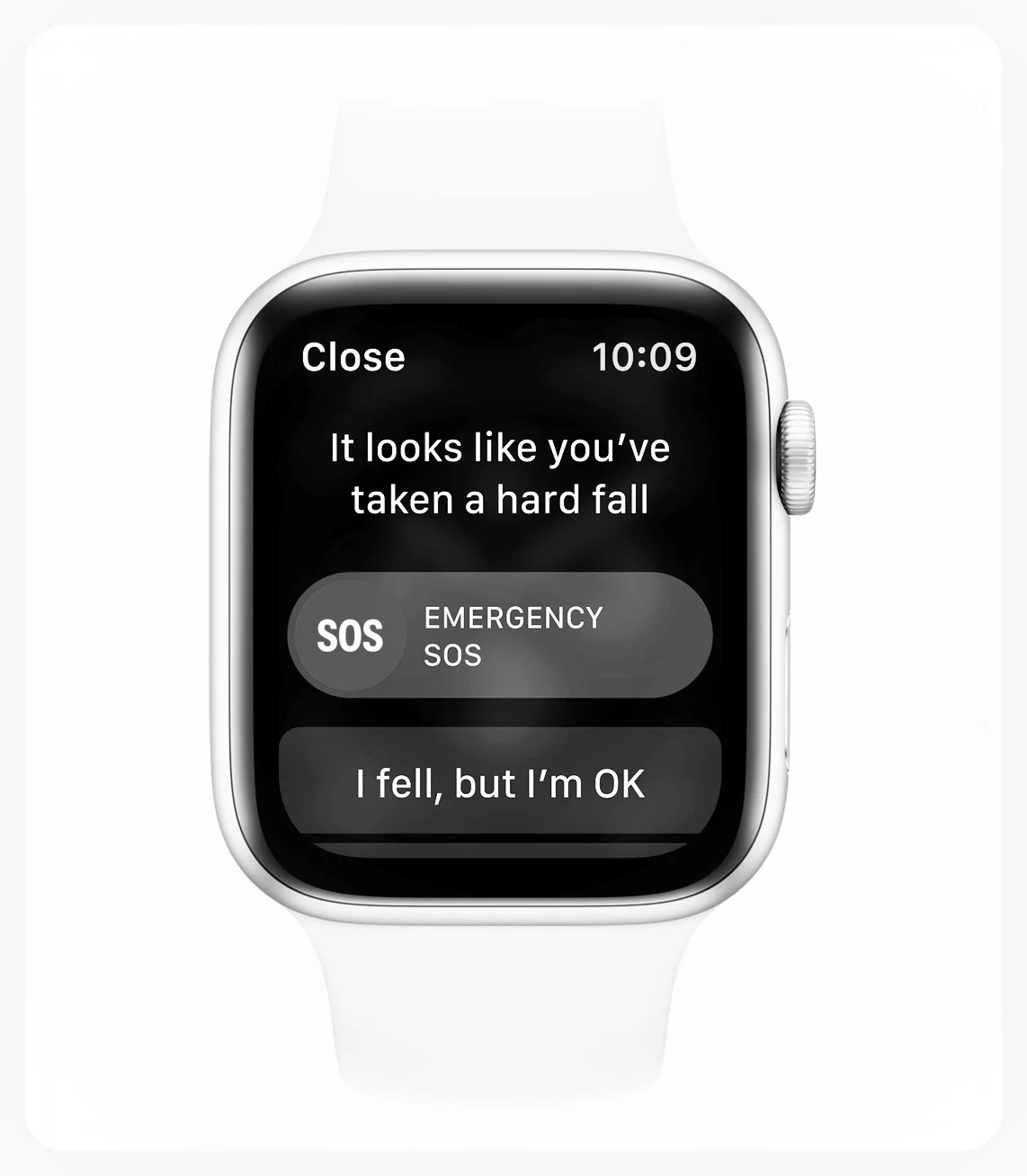
If Apple were a country, yesterday, it would have presented the future of health care in the digital age. One of the products introduced this week at the Apple product event is the Apple Watch 4. A closer attention to the new wearable product launched by Apple provides critical lessons on how to use technology and innovation to resolve some of the major national challenges such as health.
THE WATCH FOR HEALTH
Amongst many products launched by Apple, one was an upgrade of their wearable device, the Apple watch. Apple launched the Apple Watch Series 4. The device signals that Apple is serious about the health sector.
The device is capable of generating an ECG similar to a single-lead electrocardiogram. This functionality will enable the Apple Watch to provide critical real-time data for doctors. Electrodes built into the Apple watch devices when they work together with the ECG app are able to read your heart’s electrical signals. This data can indicate whether your heart rhythm shows signs of atrial fibrillation (a serious form of irregular heart rhythm) or sinus rhythm, which means your heart is beating in a normal pattern.
Each beat of the heart sends out an electrical impulse. With the ECG app, Apple Watch Series 4 can read and record these impulses by connecting the circuit between your heart and both arms. The resulting ECG waveform, its classification, and any notes you’ve entered on related symptoms are automatically stored in the Health app on your iPhone. This information can thereafter be shared with the doctor to enable a more informed engagement with the doctor.
The Apple health functionality has even been approved by the The Food and Drug Administration (FDA), a federal agency of the United States Department of Health and Human Services, one of the United States federal executive departments.
To get a better understanding of what this means for the future of health care you have to look at other Apple health initiatives. To look after its employees Apple has built its own health care centres, via AC Wellness. This company is a separate subsidiary of Apple that is dedicated to its employees in Santa Clara County, where the company is based. This has been done partly to provide health services to staff but mainly to conduct health research that will be instrumental in Apple health product development processes. Apple has also embarked on a recruitment campaign of Doctors and health researchers to beef its health efforts.
What is notable about Apples focus on health is that it has paid attention to wellness. This is evident when one looks at the fact that hires skew toward wellness professionals like nutritionists, exercise specialists and nurse practitioners.
Imagine if a Health Ministry had this approach to the health of its citizens. This is an example of what a country should strive for in order to solve problems. The use of technology to address health challenges by Apple is a great example for health institutions. The ability to understand each citizens health status is critical to provide proper health care.
The great news is that this is possible with the proper use of the health data within a country. What Apple is demonstrating is the use of products (physical objects) to collect data and what can be done with it to make a difference. Health is one avenue where quality data can be used to develop solutions. Quality data can also be used for crime, employment and education in order to provide better services. Physical objects such as buildings can be used as objects for collecting data that can in turn be used to provide better services.
The Apple event has introduced new products to the world and at the same time it provided lessons on how challenges can be solved with the use of technology and innovation.
YOCO - The SA FinTech startup funding success story

Source: Yoco
South African Financial Technology (FinTech) startup, Yoco, has announced that they have secured $16-million in Series B funding. This comes at the same time that the South African economy is in technical recession. The fact that Yoco has secured funding during a difficult economic climate should be celebrated by the South African tech eco-system. It should also be regarded as a vote of confidence to the South African FinTech ecosystem.
According to the Global Entrepreneurship Monitor (GEM), entrepreneurs cite access to funding as one of their major challenges in starting and running a business. When Yoco was in search of funding, it was international investors (Velocity Capital Private Equity and Quona Capital) that offered funding for its series A funding. Yoco is one of the few South African startups that has managed to secure funding from international investors.The FinTech company was inspired by the challenges experienced by small businesses in accessing payment systems (such as Point of Sale systems) from traditional banks.They realised that the process of enabling small businesses to access payment systems was not easy. Through Yoco software and devices they have enabled small businesses to easily have access to a payment device and software.The series B funding for Yoco has been led by leading venture capital firms in the world. They include Partech, a venture capital firm based in Silicon Valley, Orange Digital Ventures, Dutch Development Bank FMO, South African-based FutureGrowth and existing Series A investors Quona Capital and Velocity Capital.
Yoco will leverage its Series B funding to grow its network of small business merchants, invest in product development, operational scalability and attracting top-tier fintech talent. It brings the company’s total investment to US$23M. The ability for Yoco to attract international investment provides important lessons for South African startups on how to access funding. The following are just some of the important lessons offered by the companies ability to attract funding:
Addressing a real need
Build a team
Building a community
ADDRESSING A NEED
Yoco has managed to address a real need through technology. Currently only 7% of South African small businesses accept card payments, yet South Africa has a card penetration of 75%. This fact, is a clear indicator that the solution developed by Yoco is necessary for small business community. Across the African continent there’s a need for similar solutions to enable small businesses.
BUILD A TEAM
Yoco is made up of not only Katlego Maphai but a team of co-founders and workers who are making the Yoco dream a reality. In the startup eco-system the norm is to highlight a single founder. Yoco has tried to avoid the founder syndrome by developing a team. Investors in tech eco-system pay more attention to startups that are driven by a team as opposed to a single founder.
BUILDING A COMMUNITY
Yoco serves a community of small businesses in South Africa. Most coffee shops in South Africa use the Yoco technology to enable payments and manage their finances. Yoco has managed to build a community of entrepreneurs that use the Yoco devices and software. Investors who invest in Yoco such as Orange Digital Ventures are also investing in the community of entrepreneurs in the fin-tech ecosystem.
The Yoco story is a true inspiration for entrepreneurs in the technology sector. Their story offers important lessons on how to access finance for technology companies.
Sophia: The Robot in Africa
Sophia at SAPNow Conference in South Africa. Picture: SAP
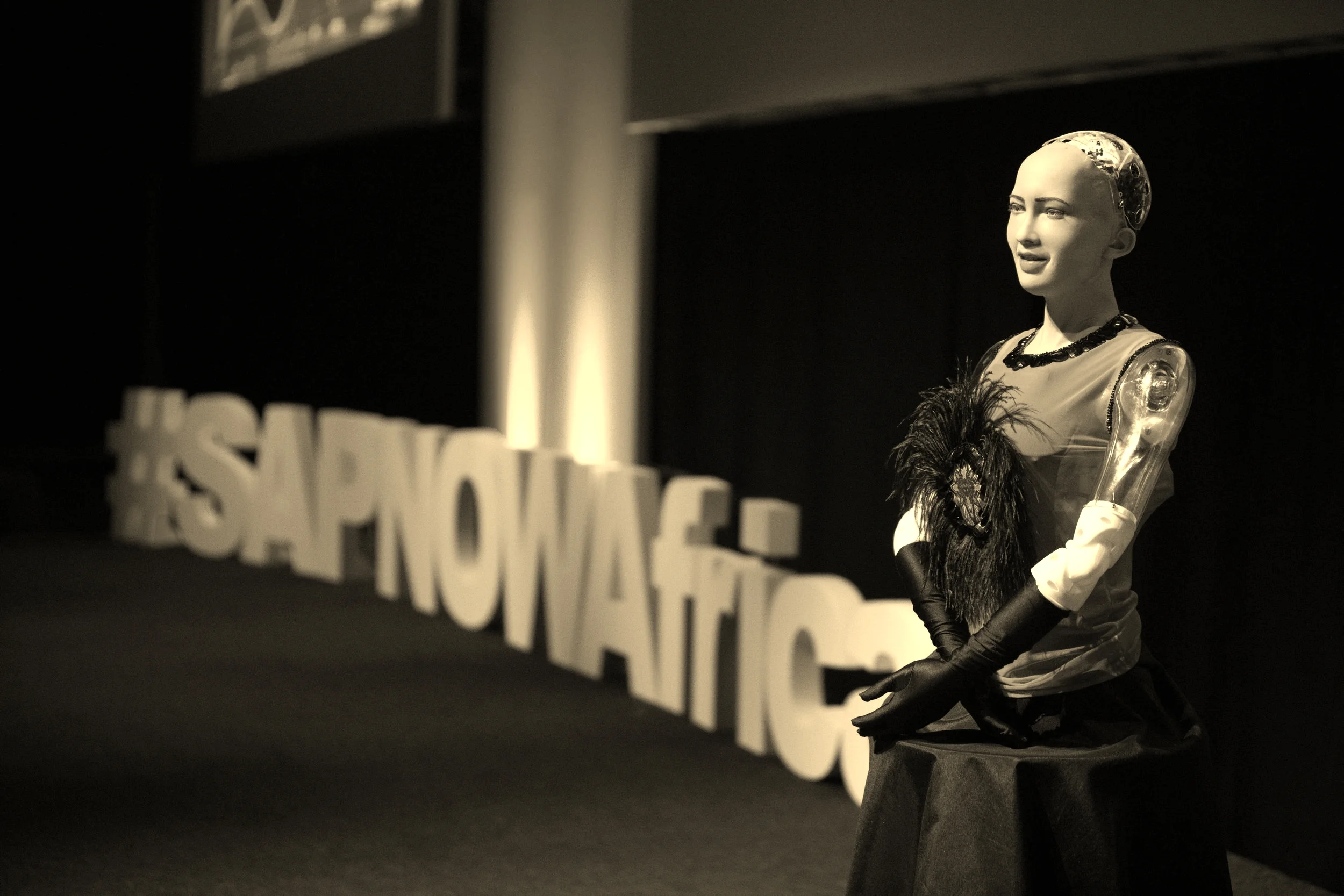
Sophia, the 3 year old humanoid robot set foot on the African continent for the first time to attend the SAP Now Conference in August 2018. She was created using breakthrough robotics and artificial intelligence technologies developed by David Hanson and his friends at Hanson Robotics in Hong Kong. She was in Johannesburg,South Africa to take part in the SAP Now conference as one of the panelists. She had a brief conversation with the Managing Director of SAP in Africa, Cathy Smith. She even spoke a local language, isiZulu. Sophia was also interviewed by the Carte Blanche investigative journalist Devi Sankaree Govender.
Robots are often regarded as objects that are distant from human beings. A closer look at Sophia shows us that robots of the future will mimic human beings in a number of aspects. It was the intention of Sophias creator to close the gap between human beings and robots by creating a robot that can be acceptable to human beings in terms of how it looks and functions. Sophia is just version 1 of that creation and she has begun the process of closing the gap between humans and robots in terms of her physical appearance and her function.
An analysis of Sophia helps us understand the current capability of robots and what they will do in future in terms of their interactions with human beings.
Here are some of the few things that Sophia has managed to become which were just for human beings,
Citizenship
Global role
CITIZENSHIP
Every human being has citizenship of a country. Being a citizen is a right that distinguishes human beings from other beings such as animals and robots. In 2017 Sophia was granted citizenship by Saudi Arabia. In her announcement speech of her citizenship she had this to say: "I am very honored and proud of this unique distinction. This is historical to be the first robot in the world to be recognized with a citizenship”
This move by UAE was considered controversial due to limited rights for women in the country. It also should get people thinking about the meaning of rights in the age of robots.
GLOBAL
As human beings we value participation in society such as being appointed in roles that allow us to serve and make a difference. An appointment to serve the United Nations is considered to be one of the most important roles that human beings can play. Recently, Sophia was named the world’s first United Nation Innovation Champion by United Nations Development Program (UNDP) and will have an official role in working with UNDP to promote sustainable development and safeguard human rights and equality.
Sophia has been assigned these roles due to her abilities that includes speaking to human beings. Due to her machine learning capabilities she’s able to listen and respond to questions posed to her. She can also assess human emotions like smiling and respond accordingly.
Sophia can animate more than 60 facial expressions including smiling,frowning, anger,disgust, confusion and happiness. Built-in cameras enable her to track people’s eyes and faces to maintain eye contact and build rapport with people, while advanced AI capabilities and voice recognition, along with scripts and chat bots enable her to hold natural conversation with her human counterparts.
Her physical appearance makes it easy for human beings to feel comfortable around her as opposed to robots that are simply a piece of steel.
The existence of robots is no longer an imagination, it’s now a reality. A closer look at the manner in which Sophia operates clearly shows that some of the jobs that are currently done by human beings will be conducted by robots in the near future. In some parts of the world this is already happening.
Knowing the future impact of robots on jobs conducted by human beings should move decision makers to design jobs now that will be conducted by human beings when robots takes over.
The replacement of jobs by robots is often viewed in the negative light. The new school of thought that is emerging now indicates that human beings should welcome the takeover of jobs by robots as this will enable human beings to do work that matters and have more leisure.
It is also interesting to note that the development of creatures such as Sophia will also create new jobs. A visit to Sophias lab, where she’s created, shows that there’s a group of people who create such robots and as more robots are created people will be required to create these robots.
This also means that academic institutions need to align themselves to this development. More academic institutions need to create programmes in robotic engineering and Artificial intelligence research. Such programmes will assist in improvement of robots and in development of a skilled workforce to work in a robotics and AI driven world. Trade unions also need to align themselves for a world where jobs will be different. The visit by Sophia to the African continent should also trigger a robotic revolution in terms of creation of robots and alignment to a future with robots.
In future, robots will play a major role in our daily lives. There’s a need now to prepare ourselves for such a future in terms of laws that will govern society. Ethics and policies that will govern robots will have to be developed to avoid negative impact that may be brought about by robots in economy and society at large.
The Health Impact of Starting & Running a Tech Startup

Ariana Huffington wrote an Open Letter to Elon Musk after he admitted via an interview with New York Times (NYT) that this year was excruciating for him. In the letter the founder of the Huffington Post reminds Musk about the need for balanced life-style. Huffington has raised a matter that is hardly talked about in the tech startup community. She has raised something that is the real issue in the process of starting and running a technology company.
Although Elon Musk shrugged off this caring gesture by Huffington, the tech startup community should heed the warning by Huffington. A study conducted by Dr. Michael Freeman revealed that startup founders have a greater likelihood of depression due to stress associated with startup related pressures. The Startup tech community has a long list of depression sufferers that are suffering in silence. Some choose to not speak openly about their challenges and end up killing themselves literally. The following are just some of the few tech community members who were negatively affected by tech tech startup lifestyle:
- Ilya Zhitomirskiy
Aaron Swartz
Jody Sherman
ILYA ZHITOMIRSKIY
Ilya Zhitomirskiy, a 22-year-old co-founder of the hyped Facebook rival Diaspora committed suicide. On the evening of 12 November 2011, Zhitomirskiy was found dead in his San Francisco home by police responding to calls about a suspected suicide. An autopsy report from the Medical Examiner's office formally ruled the death as a suicide in April 2012. He died from an intentional inert gas asphyxiation using helium. Zhitomirskiy’s mother, Inna Zhitomirskiy, did not comment on reports of his history of mental illness, but she did say on his participation in Diaspora, "I strongly believe that if Ilya did not start this project and stayed in school, he would be well and alive today.
Diaspora came into existence by raising more than $200,000 on the crowdfunding site Kickstarter while the founders were still at university. They attracted breathless coverage from technology publications. Diaspora promised to give users ultimate control of their personal information and privacy. They wanted to be different from Facebook and create an alternative and in tech terms a Facebook killer.
Development of Diaspora stalled soon after the initial burst of publicity, as the reality of developing a social networking site from scratch hit the inexperienced team's admirable goals.
AARON SCHWARTZ
Aaron Swartz was a tech whiz-kid and political activist devoted to a free and open internet. When he tried to 'iberate data from an academic website, US authorities responded fiercely. He faced a fine of up to $1m and 35 years in jail. Then he took his own life.
Aaron Swartz was an American computer programmer, entrepreneur, writer, political organizer. He was involved in the development of the web feed format RSS and the Markdown publishing format, the organization Creative Commons, and the website framework web.py, and was a co-founder of the social news site Reddit. He was given the title of co-founder by Y Combinator owner Paul Graham after the formation of not a bug, inc (a merger of Aaron's project infogami and a company run by Alexis Ohanian and Steve Huffman).
Swartz's work also focused on civic awareness and activism. He helped launch the Progressive Change Campaign Committee in 2009 to learn more about effective online activism. In 2010, he became a research fellow at Harvard University's Safra Research Lab on Institutional Corruption, directed by Lawrence Lessig.He founded the online group Demand Progress, known for its campaign against the Stop Online Piracy Act.
In 2011, Swartz was arrested by Massachusetts Institute of Technology (MIT) police on state breaking-and-entering charges, after connecting a computer to the MIT network in an unmarked and unlocked closet, and setting it to download academic journal articles systematically from JSTOR using a guest user account issued to him by MIT. Federal prosecutors later charged him with two counts of wire fraud and eleven violations of the Computer Fraud and Abuse Act,carrying a cumulative maximum penalty of $1 million in fines, 35 years in prison, asset forfeiture, restitution, and supervised release.
Swartz declined a plea bargain under which he would have served six months in federal prison. Two days after the prosecution rejected a counter-offer by Swartz, he was found dead in his Brooklyn apartment, where he had hanged himself.
JODY SHERMAN
In 2013 an entrepreneur named Jody Sherman killed himself. He died five days before his 48th birthday. News of Sherman's suicide ripped through Twitter and the technology blogs. His death left thousands aching and confused. He left no note. A couple of weeks later, Ecomom closed its doors. The real reason for his death was related to his company's liabilities that were greater than its assets. Just a few days after Sherman's suicide, his company, Ecomom, had a board meeting in which his co-founder and the board found the startup in a startling state.
His company, Ecomom, was E-commerce startup company that was offering environmental caring, safe and healthy products for mothers, babies and children. Its sales exceeded $1 million by 2011 and it raised $12 million before January 2013 at the time of the founders death. Ecomom, was later acquired by a larger e-commerce company.
The story of Jody, Aaron and Ilya illustrates the grave reality in the tech startup eco-system that is hardly mentioned.
In the book written by a South African tech entrepreneur Nic Harry (Do.Fail.Learn.Repeat) he mentions that after an exit that went sour his health suffered but he managed to bounce back. Many today in the tech startup eco-system are suffering from depression with limited support from institutions that are to assist tech entrepreneurs.
The revelation by Elon Musk in his NYT interview should serve as a wake up call to pay attention to the wellbeing of Tech startup founders. Technology accelerators and incubators should consider programmes that support not just financial and market needs of startup founders. Programmes that focus on the holistic wellbeing of tech entrepreneurs should be developed to avoid depression related to starting and running a tech startup.
Elon Musk should be commended for opening up about his challenges. People closer to him and within his company should also find ways of providing the necessary support.
LAUNCHLAB: 2018 IDEAS PROGRAMME

The 2018 Launchlab Ideas Programme has officially been launched this week to search for local innovators in order to support them to take their creations to the market. The 2018 Ideas Programme is facilitated by the Nedbank Stellenbosch University LaunchLab together with Santam Insurance, Mercedes-Benz SA and WineTech. The programme is in search of entrepreneurs in the following disciplines and sectors:
- Artificial Intelligence (AI)
- Advanced Manufacturing
- Agritech and Food Innovations
- Insurtech
- Safety
- Fintech
- Blockchain
- Education
- Cleantech
- Internet of Thing (IoT) and
- Social Enterprises.
This programme will enable new concepts and potential businesses to validate their concepts with real market players and start their journey towards the maturity required to acquire customers and obtain investment. Previous participants in the programme have gained necessary support to grow their businessess.
2017
2017 participants secured 8 commercial agreements with LaunchLab clients and 4 businesses secured investment. Speaking about the programme, the LaunchLab Incubation Manager, Brandon Paschal had this to say: “This year’s Ideas Programme building on our past programmes and expanding the opportunities for exposure to customers and funders for startups that participate. After a 2nd successful programme with Santam, they have changed their focus to Insurtech, broadening the scope and looking for more hightech solutions. Mercedes Benz SA has completed 4 pilots with last year’s group, and is keen for more breadth and depth of disruption. Winetech is particularly exciting, with us based in Stellenbosch. We are really excited about supporting the entire SA wine industry to innovate and compete even more on the global scene. We’re excited to see what further successes we can see through this next programme.”
The programme will conduct information sessions across the country to communicate with potential participants. Next week information sessions will be conducted in Gauteng on 20th August 2018, from 12pm until 1pm at Tshimologong Precinct and on the 23rd August another session will be conducted at the University of Pretoria Piazza. The last information session will be conducted on the 28th August 2018 from 4pm until 5pm at the Nedbank Stellenbosch University LaunchLab.
SUBMISSION
Interested ones are encouraged to submit a 3-minute video (cell phone footage can be submitted too) of themselves explaining their business idea together with an entry form that can be found on launchlab website.
Submissions opened in August, and the deadline for online submission entries is 28 September 2018.
To book for information sessions, visit: https://launchlab.co.za/ideas2018